Guvife ยท Kinds of work

Situations our trading lessons are built around

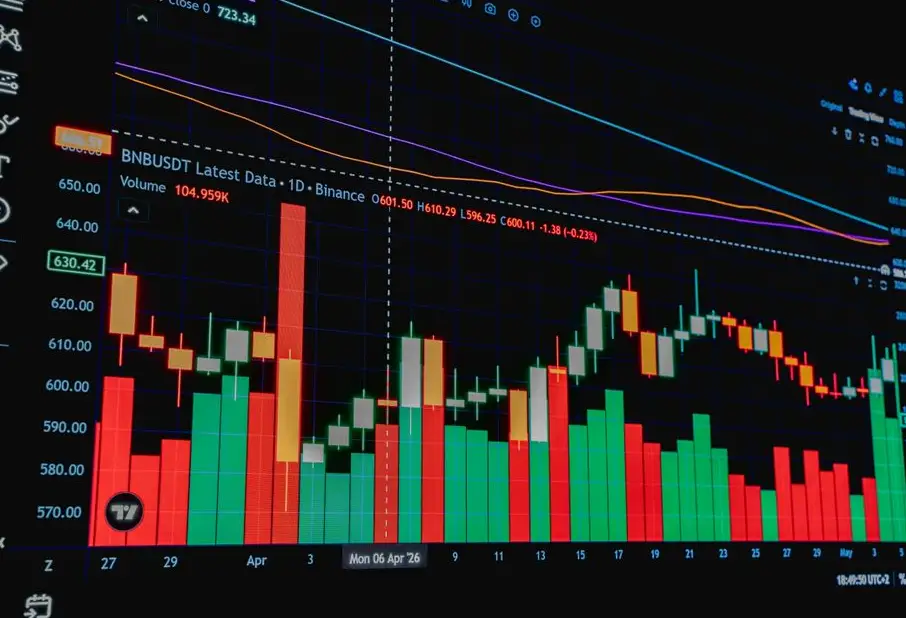
The pictures below illustrate the kinds of work and situations a lesson can start from. They are not photos of particular jobs.

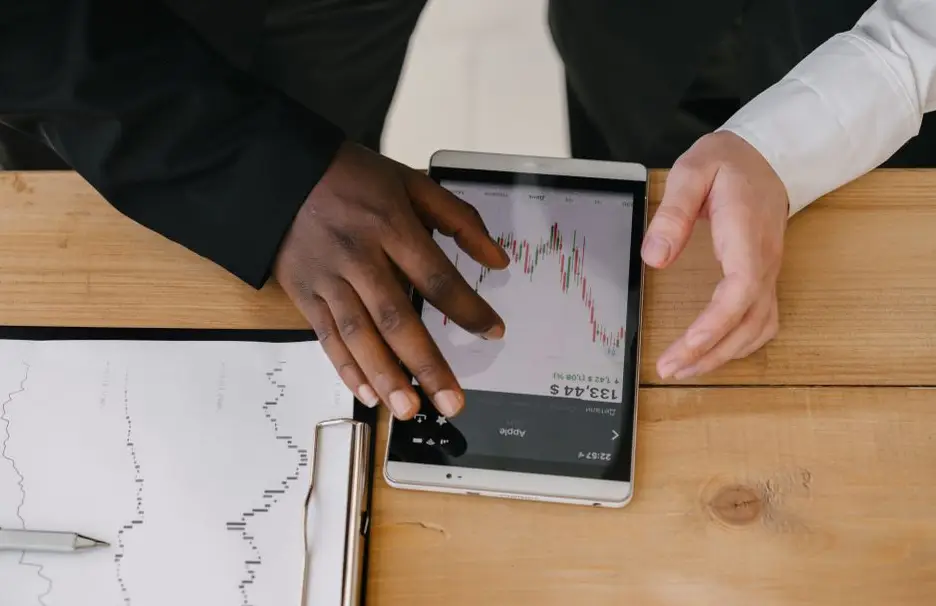
Beginner reading a price chart for the first time
Foundations

Starting from zero with charts

You have heard the terms but never opened a chart with intent. This kind of lesson walks through candles, timeframes, support and resistance, and how to read what a price move is actually showing, using plain language and slow examples.
Notebook with a written trading plan beside a laptop
Planning

Writing a trading plan on paper

Many learners trade on impulse because nothing is written down. Here we build a one-page plan: which markets you follow, what setup you wait for, where an idea is wrong, and when you stop for the day. It stays short enough to actually use.

Calculator and notes showing position size and risk
Risk

Understanding risk before entries

A losing run hurts far more when position size was never decided in advance. This lesson covers stop placement, sizing a trade against a fixed amount you can afford to lose, and why the maths of drawdowns punishes oversized positions.

Practice account screen with simulated trades
Practice

Rehearsing on a demo account

Before any real money is involved, it helps to rehearse. We go through how to set up a simulated account, place and manage orders, and keep a log, so that mistakes happen where they cost nothing and the habits you build are ones worth keeping.

Journal pages reviewing past trading decisions
Review

Reviewing your own decisions

If you already trade and keep repeating the same errors, a review session helps. You bring your own notes and we sort them: entries taken too early, exits moved out of fear, rules skipped. The aim is to spot patterns in behaviour, not to judge outcomes.

Economic calendar and news headlines on a screen
Markets

Reading news and the economic calendar

Interest rate decisions, inflation releases and employment figures can move prices sharply. This lesson explains how to read a calendar, which announcements matter for the markets you follow, and how to stay out of the way when volatility is unpredictable.

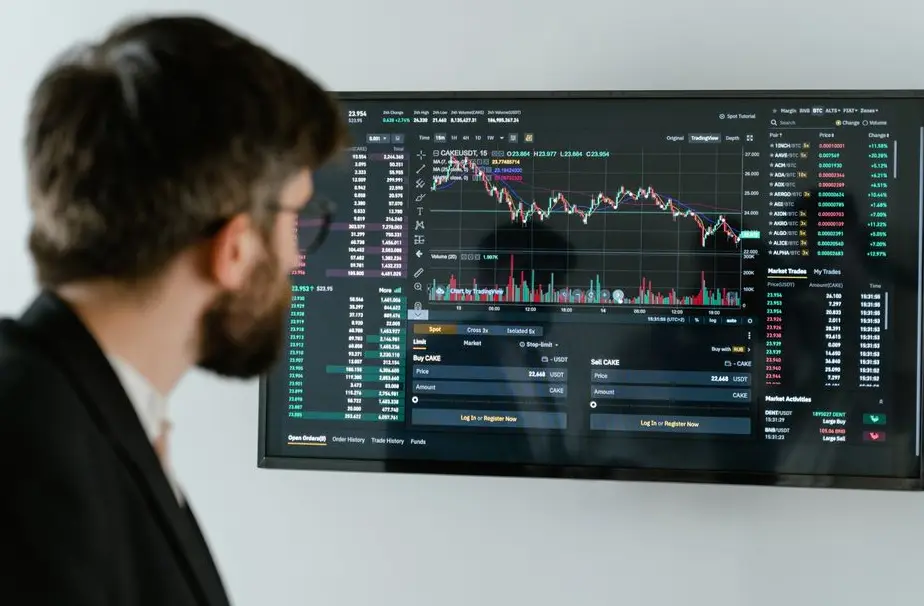
Person calmly studying market charts at a desk
Mindset

Keeping a steady head under pressure

Fear after a loss and overconfidence after a win both distort decisions. This kind of session looks at routines that slow you down: pre-trade checklists, set breaks, and rules about what you do after consecutive losses, so emotion has less room to steer.

How a lesson is organised

Whichever situation fits you, the sessions follow the same simple order, so you always know what comes next.

1

You describe where you are

Send a short message through the contact form: what you already know, what confuses you, and which markets interest you.

2

A starting topic is chosen

Your message is matched to one of the kinds of work above, and the first topic is set so it builds on what you already understand.

3

Concepts, then examples

Each idea is explained in plain terms, then shown on real chart examples, with time to ask questions before moving on.

4

Practice and next steps

You finish with a small exercise to try on your own, and a clear idea of which topic to tackle next if you continue.

Not sure which situation sounds like you?

Tell us a little about your experience and what you would like to understand better. You can also look through the full list of lessons first.

Send a request